
Exploring the Benefits of Traditional Architecture in Nevada for Community Wellbeing

Nevada’s traditional architecture offers more than just aesthetic appeal. It reflects a deep understanding of the local environment and community needs, providing practical benefits that support wellbeing. For engineers and professionals involved in MEP (mechanical, electrical, and plumbing) systems, studying these traditional designs reveals valuable lessons in energy efficiency and sustainable building practices. This post explores how Nevada’s architectural heritage contributes to healthier, more comfortable living spaces and stronger communities.

How Traditional Architecture Responds to Nevada’s Climate
Nevada’s arid climate poses challenges such as extreme heat, low humidity, and intense sunlight. Traditional architecture developed solutions that naturally address these conditions:
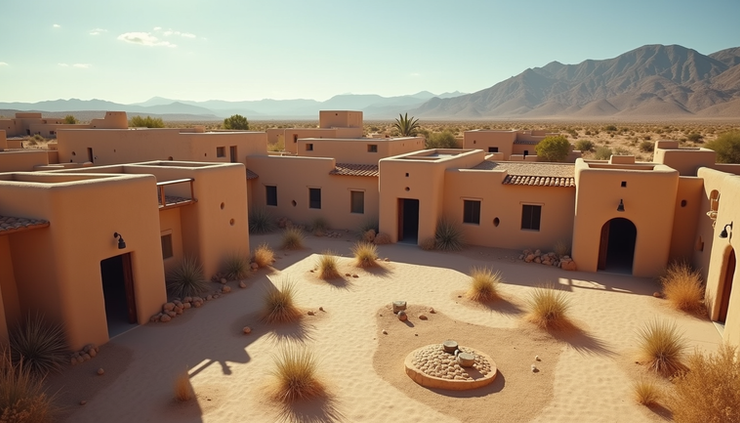
Thick walls made of adobe or stone provide excellent thermal mass. These materials absorb heat during the day and release it slowly at night, stabilizing indoor temperatures without heavy reliance on mechanical cooling.
Deeply recessed windows and shaded porches reduce direct sunlight exposure, lowering indoor temperatures and glare.
High ceilings and strategically placed vents promote natural ventilation, allowing hot air to rise and escape, which improves indoor air quality and comfort.
These features reduce the need for energy-intensive cooling systems, making buildings more energy efficient. For engineers working on MEP systems, integrating such passive design elements can reduce load demands and improve system performance.
Community Benefits Beyond Energy Efficiency
Traditional architecture in Nevada also supports social and cultural wellbeing:
Shared outdoor spaces like courtyards and shaded patios encourage social interaction and community gatherings, fostering stronger neighborhood ties.
Use of local materials connects buildings to the landscape and heritage, creating a sense of place and identity.
Designs that respect natural topography minimize environmental disruption and preserve local ecosystems, contributing to long-term community health.
These aspects highlight how architecture shapes not only physical comfort but also social cohesion and environmental stewardship.
Lessons for Modern Engineering and Architecture
Modern construction in Nevada can benefit from revisiting traditional architectural principles:
Incorporate thermal mass materials in building envelopes to reduce heating and cooling energy use.
Design shading devices and natural ventilation into MEP planning to complement mechanical systems.
Use local and sustainable materials to lower environmental impact and support regional economies.
Plan community spaces that encourage social interaction and outdoor living, improving mental health and wellbeing.
By blending traditional wisdom with modern technology, engineers can create buildings that are both efficient and enriching for occupants.
Practical Examples of Energy Efficiency in Traditional Nevada Architecture
Adobe homes in Taos Pueblo maintain comfortable indoor temperatures year-round without modern HVAC systems.
Vernacular buildings in rural Nevada often use thick stone walls and small windows to minimize heat gain.
Shaded arcades and verandas common in historic Nevada towns reduce solar heat load on building facades.
These examples demonstrate how traditional architecture achieves energy efficiency through design rather than relying solely on mechanical systems.
The Role of MEP Engineers in Preserving and Enhancing Traditional Designs
MEP engineers play a crucial role in adapting traditional architecture to contemporary needs:
Integrating renewable energy systems such as solar panels without compromising historic aesthetics.
Designing efficient HVAC systems that work in harmony with passive cooling and heating strategies.
Implementing water-saving plumbing solutions that respect local water scarcity issues.
Ensuring electrical systems support modern technology while maintaining building character.
This approach supports sustainability goals and preserves cultural heritage.


Comments